
Lesson 1
True Beauty
How to live a very beautiful life
Living a very beautiful life you should follow these steps…
Health – Build a strong body, a healthy lifestyle, and the energy needed to live life to the fullest.
Wealth – Learn how to create, manage, and grow wealth for financial stability and freedom.
Beauty – Develop inner and outer beauty through self-care, confidence, personality, and positive thinking.
Relations – Build meaningful relationships based on love, trust, respect, understanding, and emotional connection.

Communication – Master the art of expressing yourself clearly, confidently, and effectively in personal and professional life.
Serenity – Develop inner peace, emotional balance, and the ability to stay calm and positive in challenging situations.
Power – Discover your inner strength, leadership abilities, decision-making skills, and the confidence to influence your life and surroundings.

Lesson 2
This Moment Decides Your Destiny
- “If you want to become invincible, first become invisible.and unpredictable.”
- Being good is not enough; the universe rewards those who are effective.
- The first key to success is showing love and respect.
- “Your life is not hard—your thinking is undisciplined.”
- “Toxic people are more harmful than toxins.”
- You, and only you, are responsible for your current situation.
- “Dreams are not what you see in your sleep; The true dreams are, that not let you sleep.”
- To achieve a big victory, you have to play a big game.
- The moment people start calling you crazy is often the moment you’re closest to achieving success.
- “The world may debate the methods, but history always celebrates the winner.”

- “Survival in every situation is the real victory; change your strategy according to the circumstances and turn your weakness into your strength.”
- “Real victory comes not from hard work, but from smart timing.”
- Never accept anything until it is in your favor, and never openly oppose it either.
- You were born only to live a good life
- Nothing can be obtained by requesting,it has to be snatched.
- Those who decide every victory before fighting are losers.
- “Most people don’t fail; they slowly agree to a small life.”
- “The mind doesn’t want success; it wants comfort.”
- “You don’t lack time—you lack focus.”
- “Pain is the price of growth; avoidance is the price of regret.”

- “Comfort whispers sweet lies; discipline tells the brutal truth.”
- “Easy choices create a hard life.”
- “Your identity decides your income before your effort does.”
- “If you can’t control your emotions, don’t dream of controlling your destiny.”
- “Your habits are your real biography.”
- “Motivation sells hope; discipline builds empires.”
- “People clap for success but hate the process that creates it.”
- “Dreams without deadlines are fantasies.”
- “It’s not about how useful you are—it’s about how valuable your presence is in my life.”
- “Your thoughts,emotions and actions decide your destiny.”

- “What you tolerate today trains your future.”
- “Life punishes hesitation more than mistakes.”
- “The future belongs to the consistent, not the talented.”
- “Your comfort zone is perfectly designed to keep you average.”
- You don’t fear failure—you fear losing approval.”
- “If nothing changes after today, today was entertainment—not transformation.”
- “Your future is listening—choose your next action carefully.”
- “The life you want demands the discipline you avoid.”
- “People criticize and judge you—until your achievements put you beyond their reach.”
- “Be the creator of your life not just a player”

- “The more you try to please everyone, the more you betray your own happiness.”
- If you want to become a king first you should build your empire.
- “Speak with such confidence that even your lies start to sound like the truth.”
- Writing is better than reading because good ideas are not comes ever.
- If you are successful it means your destiny is good but if you are fail it means your planning is bad.
- “Money will find its way to you; first, make yourself worthy of obtaining it.”
- “Master yourself, or someone else will master you.”
- “Keep an employee as an employee, otherwise they may start acting like the owner.”
- “Keep people within their limits, otherwise they will put you in yours.”
- “Decide now—comfort or legacy?” 💣🔥

Lesson 3
8 Japanese Rules for a Disciplined Life
IKIGAI – Find Your Purpose
Discover what gives your life meaning and let it guide your daily actions.
KAIZEN – Improve Every Day
Make small, consistent improvements instead of trying to change everything at once.
GAMAN – Endure with Patience
Stay calm, patient, and strong during difficult situations without giving up.
WABI-SABI – Accept Imperfection
Accept that nothing is perfect, permanent, or complete—and find beauty in simplicity.

KINTSUGI – Grow Through Breaks
Embrace your failures and scars; they can become part of your strength and beauty.
SHIKATAGA NAI – Accept What You Cannot Control
Stop wasting energy on things beyond your control and focus on what you can change.
OBITORI – Don’t Compare Yourself
Follow your own journey and measure your progress against who you were yesterday.
MOTENAI – Live with Consideration
Be thoughtful, respectful, and sincere toward others without expecting anything in return.
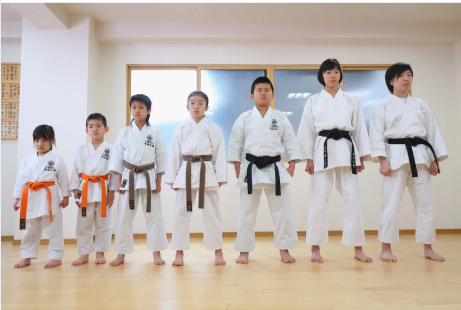
Lesson 4
Self-Discipline
To Control Yourself… INCREASE These 7 Powers
1. Health
Because a weak body struggles to produce strong decisions.
Stay fit, stay active — and life automatically becomes more powerful.
2. Time
Take control of your time, and success will follow.
Controlling your time means controlling your priorities.
3. Money
Money doesn’t give you attitude; it gives you security.
Saving, growing and investing your money is one of the strongest signs of self-control.
4. Love
Love is beautiful as long as it helps you grow.
Understand love, value it — but never lose yourself in it.
5. Power
Real power is not in the position or chair; it is in self-discipline.
When you can control yourself, external forces become much harder to control you.
6. Personality
Let your entry become a message.
Let your presence reflect confidence.
Build a personality that naturally commands respect.
7. Communication Skills
The words that come out of your mouth can shape your future.
Speak in a way that inspires people, not confuses them.
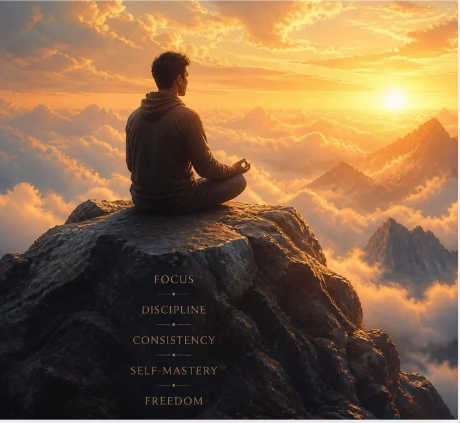
To Control Your Mind… DECREASE These 15 Poisons
Friends, these are the poisons that slowly destroy a person from within.
1. Limiting Beliefs – Change Your Beliefs
“I can’t do it” is often the biggest lie you tell yourself.
Breaking limiting beliefs is the first step toward growth.
2. Expectations
Expect less, take more action.
The more you depend on expectations, the more you invite disappointment.
3. Ego
The bigger the ego, the smaller the person.
The sooner you let go of ego, the sooner your life begins to rise.
4. Hate
Hatred doesn’t burn the other person; it burns you.
Let go of hatred and protect your own peace.
5. Anger
Convert your anger into energy.
Anger may last for 10 seconds, but its consequences can last for 10 years.

6. Jealousy
Jealousy doesn’t destroy others; it destroys your own potential.
Focus on your growth instead of comparing yourself with others.
7. Infatuation
Don’t turn temporary attraction into a permanent decision.
Give emotions time before making life-changing choices.
8. Greed
The more you chase beyond your needs, the farther you may move away from peace.
Learn to know when you have enough.
9. Fear
Convert your fear into awareness.
Control your fear, otherwise fear will control you.
10. Overthinking
Thinking is necessary,
but overthinking can tie your own feet and stop you from moving forward.

11. Confusion
Control confusion — make faster decisions and create a clearer direction for your life.
12. Laziness
Break laziness — once you start taking action, results begin to follow.
13. Distraction
Eliminate distractions — when focus comes in, ordinary people become powerful.
14. Emotions
Manage your emotions — when you bring logic into your decisions, life becomes more manageable.
Whoever masters the mind, masters their time, energy and future.
15. Pain
Convert your pain into wisdom.
Let every difficult experience teach you, strengthen you and make you wiser.
“Be the creator of your life, not just a player in it.”

Lesson 5
HOW TO DETOX YOUR MIND
Simple Steps for a Clearer, Calmer & Stronger Mind
Control What You Consume – Limit negativity, unnecessary information, social media, and toxic conversations.
Practice Silence – Spend a few minutes every day away from noise and screens to reconnect with yourself.
Stop Overthinking – Focus on solutions and actions instead of repeatedly analyzing problems.
Let Go of the Past – Learn from your experiences without continuously reliving them.
Release Negative Emotions – Acknowledge anger, fear, jealousy, and resentment, then consciously let them go.
Expect Less, Observe More – Accept people and situations as they are instead of constantly expecting them to meet your expectations.
Practice Detachment – Care deeply, but don’t allow people, possessions, or outcomes to control your peace.
Pray, Be Grateful & Surrender – Pray with faith, practice gratitude, say “I’m sorry” when you are wrong, forgive others, and surrender what you cannot control.
Write It Down – Journal your worries, thoughts, goals, and feelings instead of carrying everything in your head.
Focus on One Thing – Stop constantly switching between tasks; give your full attention to what you are doing now.
Spend Time in Nature – Walk, breathe fresh air, observe your surroundings, and give your mind a break from constant stimulation.
Move Your Body – Exercise regularly to release tension, improve mood, and support mental well-being.

Sleep and Recover – Give your brain enough quality sleep; a tired mind magnifies problems.
Choose Your People Wisely – Spend more time with people who bring honesty, growth, peace, and positive energy into your life.
Protect Your Mental Space – Set boundaries and stop giving your time and attention to things that drain you.
Focus on Growth & the Present – Stay present, exercise, learn, spend time in nature, and continuously work on becoming a better version of yourself.

Lesson 6
Make Better Your Activities
THINK – Think Better
Train your mind to think positively, clearly, and purposefully.
SEE – See Clearly
Look beyond appearances and observe things with awareness.
BREATHE – Breathe Mindfully
Breathe deeply and calmly to control your mind and energy.
SPEAK – Speak Wisely
Choose your words carefully; speak with clarity, confidence, and kindness.
LISTEN – Listen Deeply
Listen to understand, not merely to respond.
FEEL – Feel Fully
Understand your emotions instead of suppressing or being controlled by them.
EAT & DRINK – Consume Mindfully
Choose what nourishes your body, mind, and energy.

USE THE WASHROOM – Respect Your Body
Follow your body’s natural signals and maintain proper hygiene.
BATHE – Refresh Yourself
Keep your body clean and use bathing as a moment to refresh your mind.
EXERCISE – Strengthen Yourself
Move your body regularly to build strength, stamina, and discipline.
FIND YOUR FLAWS – Improve Yourself
Identify your weaknesses honestly and turn them into opportunities for growth.
EXPRESS – Express Yourself
Communicate your thoughts, emotions, and ideas confidently and authentically.

Lesson 7
RULES TO BECOME INVINCIBLE
Master Yourself. Control Your Mind. Build Your Power.
Control Yourself – Master your emotions, impulses, reactions, and habits before trying to control anything else.
Choose Silence – Speak less, observe more, and let your actions communicate your strength.
Analyze Yourself – Regularly examine your thoughts, weaknesses, mistakes, and patterns to keep improving.
Observe, Don’t Expect – Replace expectations with observation; accept reality instead of demanding that people behave your way.
Practice Detachment – Care deeply, but never become emotionally dependent on people, situations, or outcomes.

Turn Fear into Discipline – Use fear as a signal to prepare, practice, and become stronger—not as a reason to stop.
Imagine the Worst Case – Prepare mentally for the worst realistic outcome so fear loses its power over you.
Control Your Access – Not everyone deserves your time, attention, energy, or personal information.
Create Value, Not Dependence – Become so capable and useful that people value your presence without making yourself dependent on them.
Don’t Fight Every Battle – Choose your battles wisely; protecting your peace is sometimes more powerful than proving your point.
Build an Invisible Presence – Work quietly, develop yourself privately, and let your results reveal your progress.
Use the Decision-Delay Technique – Don’t make important decisions in anger, excitement, fear, or pressure. Pause, think, then decide.

Let Results Speak – Keep your words measured and your results loud.
Develop Exit Power – Never stay where your dignity, peace, or values are repeatedly compromised. The power to walk away is real strength.
Ignore + Upgrade – Don’t waste energy proving yourself to critics. Improve yourself until their opinions become irrelevant.
Make Pain Your Teacher, Not Your Prison – Learn the lesson from painful experiences, then move forward.
Stay Unattached to Outcomes – Give your best effort without allowing the final result to control your peace.
Be Neutral + Useful – Stay emotionally balanced and become someone who brings solutions rather than unnecessary drama.

Master Your Attention – Your attention is your most valuable resource. Give it only to what deserves it.
Protect Your Reputation – Build credibility through consistency, honesty, competence, and keeping your word.
Learn to Say NO – A clear “no” protects your time, priorities, boundaries, and self-respect.
Build Financial Independence – Money should increase your freedom, not become the source of your fear or dependence.
Stay Physically Strong – Exercise, sleep well, eat intelligently, and maintain the body that carries your ambitions.
Keep Learning – Continuously upgrade your knowledge, skills, communication, and decision-making ability.

Stay Calm Under Pressure – Anyone can be powerful when everything is easy; true strength appears when everything goes wrong.
Never Betray Yourself – Don’t sacrifice your values, dignity, or long-term goals just to gain temporary approval.
Choose Your Circle Carefully – Your environment influences your thinking, habits, standards, and future.
Become Consistent – Motivation comes and goes; discipline keeps you moving.
Take Full Responsibility – Stop blaming circumstances and focus on what you can control, change, and improve.
Keep Evolving – The ultimate invincibility is becoming a better version of yourself every day.

Lesson 8
Fox Mindset
Adaptability as Strength — How being flexible helps you survive and thrive.
“If you can’t change the situation, change strategy.”“Turn your weakness into your strength.”
Outsmarting limitations: Turn constraints into advantages by thinking creatively instead of fighting blindly.
Curiosity as a weapon: Curiosity gives you information, and information gives you power.
Observational Intelligence (silent observer- be silent but aware)— Learn to see what others miss. Don’t reveal your plans.
Reading the Environment — Understanding context, timing, and patterns.

Strategic Action Over Brute Force — Win with strategy, not just effort.
Emotional Intelligence & Calmness — Stay grounded when others panic.
Timing: When to Act, When to Wait (strategic patience) — Master your own rhythm.
“Real victory comes not from hard work, but from smart timing.”
Silent Progress — Let your results speak rather than noise.
Energy Management — Choose which battles matter.
Learning from Setbacks (turning failures into trap)— Turn failures into opportunities.
Failures is not an end point its a turning point.
Integration — Bringing all fox mindset principles into life.

Lesson 9
The Art Of Manupulation
Understand the Game • Protect Your Mind Face Reading• Control Your Response
Time Pressure = Brain Shutdown – Urgency can reduce careful thinking and push you toward impulsive decisions. Pause before deciding.
Emotional Mirror Technique – Someone may mirror your emotions or personality to create quick trust and connection.
Identity Hijacking – MOST DANGEROUS – Be alert when someone slowly influences your beliefs, values, choices, or identity until you stop thinking independently.
The Mask Game – People may present a carefully created personality that hides their real intentions. Watch patterns, not appearances.
Reciprocity Trap – An unnecessary favor or gift can create a feeling that you “owe” someone something.

Information Control – Manipulation can involve selectively giving, hiding, or distorting information to influence your decisions.
Fear Manipulation – Fear of loss, rejection, failure, or consequences can be used to control choices.
Desire Manipulation – Your desires for money, status, love, success, or recognition can become pressure points
.
Ego Manipulation – Excessive praise, flattery, or challenges to your ego can influence you without you realizing it.
Moral Manipulation – Someone may use your kindness, morality, loyalty, or sense of duty to pressure you into doing what they want.
Fear of Isolation – The fear of losing relationships or being excluded can make people accept things they normally would reject.
Confusion Is Control – Contradictory statements, excessive information, or constant changes can make you doubt your own judgment.

Validation as Poison – Constant praise and approval can create emotional dependence on the person providing it.
Guilt-Tripping – Making you feel selfish, ungrateful, or responsible for another person’s emotions can pressure you into compliance.
Gaslighting – Repeatedly denying facts or dismissing your perception can make you question your own memory and judgment.
Silent Treatment – Deliberate withdrawal of communication can sometimes be used as punishment or a way to force compliance.
Emotional Blackmail – Threats of rejection, withdrawal, anger, or punishment can be used to control your decisions.
Boundary Testing – Small violations of your boundaries may gradually become bigger ones. Set limits early.
Dependency Creation – Excessive emotional, financial, social, or informational dependence can reduce your ability to make independent decisions.
The Ultimate Defense: Pause, Verify & Decide – Stay calm, verify information, maintain boundaries, seek an outside perspective, and make decisions on your own terms.

Lesson 10
FACE READING
Overall Expression – First notice whether the face appears relaxed, tense, cheerful, serious, or uncomfortable.
Eyes – Observe eye movement, focus, blinking, and changes in expression to understand the person’s present emotional state.
Eyebrows – Raised, lowered, or tightened eyebrows can reflect surprise, concern, concentration, or anger.
Forehead – Tension or repeated movement may indicate stress, concentration, or emotional reaction.
Smile – Notice whether the smile appears natural, brief, forced, or accompanied by changes around the eyes.
Mouth & Lips – Lip pressing, trembling, smiling, or tightening can provide clues about tension or emotional restraint.
Jaw – A clenched jaw may indicate tension, anger, or stress, while a relaxed jaw generally suggests greater ease.
Facial Tension – Compare relaxed and tense areas of the face to identify changes in emotional state.
Micro-Expressions – Very brief facial changes can sometimes reveal an emotion before the person consciously controls their expression.

Face + Body Language – Never read the face alone; compare facial expressions with posture, gestures, and tone of voice.
Baseline First – Observe how someone normally looks and behaves before interpreting unusual changes.
Context Matters – The same expression can mean different things depending on the situation, culture, and individual.
Look for Patterns – Don’t judge from one expression; observe repeated behavior and consistent emotional signals.
Listen to Words – Compare what the person says with their facial and body expressions without automatically assuming they are being dishonest.
Don’t Judge Character from Features – Avoid conclusions based on face shape, nose, ears, wrinkles, skin, or other physical features; these do not reliably reveal someone’s character.
Golden Rule of Face Reading
“Don’t read a face to judge a person; read expressions to understand the moment.”

Lesson 11
LAWS OF THE UNIVERSE
LAW 1 — Law of Vibration
Everything is energy in motion. Your thoughts, emotions, and actions influence the energy you carry and the way you experience life.
LAW 2 — Law of Attraction
What you consistently focus on tends to shape your thoughts, choices, and behavior, influencing what you move toward in life.
LAW 3 — Law of Action
Nothing changes through intention alone. Turn your goals into reality through purposeful and consistent action.
LAW 4 — Law of Cause & Effect (Karma)
Every action has consequences. Your choices create results, whether immediately or over time.
LAW 5 — Law of Belief
Your beliefs influence your perception, confidence, decisions, and behavior. Change limiting beliefs to expand your possibilities.
LAW 6 — Law of Focus
What you repeatedly give your attention to becomes stronger in your mind. Focus on what matters instead of feeding distractions.

LAW 7 — Law of Gratitude
Appreciating what you have shifts your attention from lack to abundance and helps cultivate a more positive outlook.
LAW 8 — Law of Discipline
Success requires doing what needs to be done even when motivation is absent. Discipline turns intentions into results.
LAW 9 — Law of Consistency
Small actions repeated over time create powerful results. Progress comes from showing up again and again.
LAW 10 — Law of Detachment
Give your best effort without becoming controlled by the outcome. Work sincerely, then accept what you cannot control.
LAW 11 — Law of Oneness
Everything is interconnected. Your choices affect not only you but also the people, relationships, and world around you.

Lesson 12
Laws of Power
Never Outshine the Master – Never make your boss or superior feel overshadowed by you.
Never Put Too Much Trust in Friends; Learn How to Use Enemies – Never blindly trust friends; even an enemy can sometimes be useful.
Conceal Your Intentions – Keep your plans and intentions private.
Always Say Less Than Necessary – Speak less and listen more.
So Much Depends on Reputation—Guard It With Your Life – Protect your reputation at all costs.
Court Attention at All Costs – Make sure you remain noticeable and memorable.
Get Others to Do the Work for You, but Always Take the Credit – Delegate work strategically and make sure your contribution is recognized.
Make Other People Come to You—Use Bait if Necessary – Create reasons for others to approach you rather than always chasing them.
Win Through Your Actions, Never Through Argument – Let your actions prove your strength instead of wasting time arguing.
Infection: Avoid the Unhappy and Unlucky – Stay away from constantly negative and destructive influences.
Learn to Keep People Dependent on You – Become so valuable that others continue to need your skills or contribution.
Use Selective Honesty and Generosity to Disarm Your Victim – Use sincerity and generosity strategically to build trust and lower resistance.
When Asking for Help, Appeal to Self-Interest – Show people how helping you can also benefit them.
Pose as a Friend, Work as a Spy – Observe carefully and gather information while maintaining a friendly relationship.
Crush Your Enemy Totally – If you must confront an enemy, do not leave room for them to strike back.
Use Absence to Increase Respect and Honor – Sometimes, stay away to increase your value and make your presence more appreciated.
Keep Others in Suspended Terror—Cultivate an Air of Unpredictability – Keep people uncertain about your next move.
Do Not Build Fortresses to Protect Yourself—Isolation Is Dangerous – Avoid isolating yourself; build strong relationships and networks.
Know Who You’re Dealing With—Do Not Offend the Wrong Person – Understand the person you are dealing with and avoid provoking the wrong people.

Plan All the Way to the End – Think through every step and consider the final outcome before you begin.
Make Your Accomplishments Seem Effortless – Present your success with confidence and composure, without making the struggle behind it the focus.
Control the Options—Get Others to Play With the Cards You Deal – Give people choices that still align with the outcome you want.
Play to People’s Fantasies – Appeal to people’s dreams, hopes, and aspirations.
Discover Each Man’s Thumbscrew – Understand people’s vulnerabilities and use that knowledge wisely.
Be Royal in Your Own Fashion—Act Like a King to Be Treated Like One – Carry yourself with confidence, dignity, and self-respect, and others will treat you accordingly.
Master the Art of Timing – Take the right action at the right moment.
Disdain Things You Cannot Have—Ignoring Them Is the Best Revenge – Let go of what you cannot have; sometimes, indifference is the strongest response.
Create Compelling Spectacles – Use powerful presentation, visuals, and memorable experiences to capture attention.
Think as You Like but Behave Like Others – Think independently, but understand social norms and behave appropriately.

Stir Up Waters to Catch Fish – Create movement and opportunities when necessary to uncover possibilities.
Despise the Free Lunch – Be cautious of things that appear completely free; everything often comes with a cost.
Avoid Stepping Into a Great Man’s Shoes – Do not simply follow someone else’s footsteps; create your own path.
Strike the Shepherd and the Sheep Will Scatter – When facing a group, addressing its central source of influence can change the entire dynamic.
Work on the Hearts and Minds of Others – Win people through their emotions, trust, and understanding.
Disarm and Infuriate With the Mirror Effect – Reflect people’s behavior back to them to reveal their own attitudes and actions.
Preach the Need for Change, but Never Reform Too Much at Once – Encourage change gradually; too much change at once can create resistance.
Never Appear Too Perfect – Do not try to appear flawless; excessive perfection can create jealousy and resentment.
Do Not Go Past the Mark You Aimed For; In Victory, Learn When to Stop – Know your limits, even when you are winning. Do not let success turn into overreach.
Assume Formlessness – Stay flexible and adaptable; do not confine yourself to one fixed identity or approach.

Lesson 13
The Victory Hour
🌅 MY IDEAL DAILY ROUTINE
Discipline • Health • Productivity • Peace • Enjoyment
Time Routine Purpose
5:00 AM 🌅 Wake Up Start the day with discipline and a positive mindset.
5:00–5:10 AM 💧 Drink 1 Glass of Water Rehydrate your body after sleep.
5:10–5:25 AM 🚻 Washroom + Freshen Up Complete your morning hygiene routine.
5:25–5:40 AM 🪥 Brush & Personal Hygiene Begin the day feeling fresh and clean.
5:40–5:50 AM 🌬️ Deep Breathing Calm your mind and prepare yourself for the day.
5:50–6:30 AM 🏃 Physical Exercise Build strength, stamina, flexibility, and energy.
6:30–6:45 AM 🚿 Bath Refresh your body and mind after exercise.
6:45–7:00 AM 🙏 Prayer & Gratitude Begin the day with faith, gratitude, and inner peace.

7:00–7:10 AM 🎯 Set Today’s Target Decide your 1–3 most important goals for the day and commit to completing them.
7:10–8:00 AM ☀️ Morning Sunlight Spend some time outdoors in comfortable morning sunlight; avoid excessive heat.
8:00–8:30 AM 🍎 Healthy Breakfast Fuel your body with a nutritious, balanced meal.
8:30 AM–12:30 PM 🎯 Deep Work / Important Tasks Use your freshest hours for your highest-priority work.
12:30–1:00 PM 🧘 Relax & Reset Take a short break and mentally disconnect from work.
1:00 PM 🍱 Lunch Have a balanced and satisfying meal.
1:30–2:00 PM 😌 Rest / Power Nap Recharge without oversleeping.
2:00–5:30 PM 💼 Work + Learning Complete remaining tasks and invest time in learning or skill development.
5:30–6:30 PM 🚶 Walk / Recreation Move, relax, and refresh yourself after work.
6:30–7:00 PM 🧘 Personal Time Reflect, connect with family, or simply enjoy some peaceful time.

7:00 PM 🍽️ Dinner Keep dinner moderate and balanced.
7:30–8:15 PM 💃🎵 Dance & Music / Enjoyment Have fun, socialize, dance, listen to music, and celebrate life
8:15–8:40 PM 💆 Massage / Relaxation Relax your body and release accumulated tension.
8:40–8:50 PM 📝 Daily Review Ask: What did I accomplish? What did I learn? What can I improve tomorrow?
8:50–9:00 PM 🙏 Gratitude & Mental Shutdown Let go of the day’s worries and prepare your mind for sleep.
9:00 PM 😴 Sleep Get approximately 8 hours of sleep and prepare for tomorrow.
🔥 5 Daily Non-Negotiables
Wake Early → Move Your Body → Complete Your Target → Enjoy Your Life → Sleep on Time
Daily Mantra
“Start with discipline, work with purpose, live with joy, and end the day with gratitude.”

Lesson 14
BEST COMMUNICATION SKILLS
Speak Clearly • Listen Deeply • Connect Better
Listen Actively – Listen to understand, not merely to reply. Give the speaker your full attention.
Speak Clearly – Use simple, precise words and communicate your message without unnecessary complexity.
Think Before You Sp eak – Pause, organize your thoughts, and choose words that add value.
Use the Right Tone – Your tone can communicate more than your words. Stay respectful, calm, and confident.
Master Body Language – Maintain appropriate eye contact, posture, facial expressions, and gestures.
Ask Powerful Questions – Good questions create clarity, encourage deeper conversations, and show genuine interest.
Show Empathy – Try to understand the other person’s feelings and perspective before giving your opinion.
Be Assertive, Not Aggressive – Express your thoughts and boundaries confidently while respecting others.
Control Your Emotions – Don’t let anger, fear, or frustration dictate your words or reactions.
Avoid Assumptions – If something is unclear, ask instead of guessing what the other person means.

Use Positive Language – Focus on solutions and possibilities rather than unnecessary criticism or negativity.
Give & Receive Feedback – Offer feedback respectfully and accept constructive criticism without becoming defensive.
Know When to Stay Silent – Silence can prevent unnecessary arguments and give you time to understand the situation.
Adapt to Your Audience – Adjust your language, tone, and level of detail according to the person and situation.
Tell Stories Effectively – Use relevant examples and stories to make your message memorable and emotionally engaging.
Be Honest & Authentic – Speak truthfully and let your words match your intentions and actions.
Respect Different Opinions – You can disagree without disrespecting the person.
Confirm Understanding – Summarize or repeat important points to make sure both sides understand each other.

Communicate with Purpose – Before speaking, ask yourself: What do I want the other person to understand, feel, or do?
Make Your Actions Speak – The strongest communication is when your behavior consistently matches your words.
Golden Rule
“Speak with clarity, listen with empathy, respond with wisdom, and communicate with respect.”

Lesson 15
BEST SPEECH SKILLS
Speak with Confidence • Influence with Clarity • Connect with People
Know Your Purpose – Be clear about what you want your audience to understand, feel, or remember.
Start with a Powerful Opening – Capture attention with a strong question, statement, story, or surprising fact.
Speak with Confidence – Believe in your message and communicate with calmness and self-assurance.
Use Simple Language – Choose clear, powerful words that everyone can easily understand.
Control Your Voice – Use the right volume, tone, pitch, and pace to make your speech engaging.
Master the Pause – Strategic pauses create impact, build curiosity, and give your audience time to absorb your message.

Use Powerful Body Language – Maintain natural eye contact, confident posture, meaningful gestures, and appropriate facial expressions.
Emphasize Key Words – Give extra vocal energy to the most important words and ideas.
Tell Stories – Stories create emotion, make ideas memorable, and help people connect with your message.
Use Examples & Analogies – Turn complicated ideas into simple concepts through relatable examples.
Create Emotional Connection – Speak to both the mind and the heart; people remember how a message makes them feel.
Engage the Audience – Ask questions, invite reflection, and make the audience feel involved.
Control Nervousness – Breathe deeply, prepare well, and focus on your message rather than your fear.
Avoid Filler Words – Reduce unnecessary words such as “um,” “uh,” “like,” and repeated phrases.

Be Authentic – Speak naturally instead of trying to sound like someone else.
Adapt to Your Audience – Adjust your language, examples, tone, and depth according to who is listening.
Handle Questions Wisely – Listen completely, pause, and answer honestly and directly.
Use a Strong Structure – Follow a clear flow: Opening → Problem → Insight → Solution → Action → Conclusion.
End with Impact – Finish with a memorable message, powerful statement, question, or clear call to action.
Practice & Review – Record yourself, observe your delivery, identify weaknesses, and improve continuously.
Golden Rule of Great Speech
“Don’t just speak to be heard—speak to be understood, remembered, and felt.”

Lesson 16
THE ART OF STAYING CONNECTED WITH PEOPLE
Show Genuine Interest – Take a real interest in people, their lives, goals, and experiences.
Listen More, Speak Less – Give people your full attention and make them feel heard and valued.
Remember the Details – Remember names, important events, preferences, and things they share with you.
Stay in Touch – Don’t wait for a reason to connect; send a message, make a call, or simply check in.
Be Emotionally Available – Be present when people need someone to listen, support, or understand them.
Celebrate Their Success – Appreciate their achievements without jealousy or comparison.
Be There in Difficult Times – Genuine relationships become stronger when you stand by people during their struggles.
Give Without Keeping Score – Offer help, kindness,
knowledge, or support without always expecting something in return.
Respect Their Boundaries – Stay connected without becoming intrusive, controlling, or demanding.

Communicate Honestly – Express your thoughts and feelings openly while remaining respectful.
Avoid Unnecessary Arguments – Not every disagreement needs to become a fight; protect the relationship when the issue is minor.
Apologize When You’re Wrong – A sincere “I’m sorry” can repair trust and prevent small issues from becoming permanent distances.
Forgive Wisely – Let go of unnecessary resentment while maintaining healthy boundaries.
Be Reliable – Keep your promises and let your actions prove that people can trust you.
Respect Differences – You don’t have to agree with everyone to value and respect them.
Create Shared Experiences – Spend meaningful time together through conversations, travel, celebrations, hobbies, or simple moments.

Avoid Using People – Relationships become strong when connection is based on genuine care rather than personal advantage.
Keep Their Confidence – Don’t turn someone’s private conversation into gossip.
Give Space When Needed – Sometimes staying connected means knowing when to step back and allow someone personal space.
Make People Feel Valued – The strongest connection comes from making people feel respected, appreciated, understood, and important.
Golden Rule
“People may forget what you said, but they will remember how genuinely you made them feel.”

Lesson 17
QUALITIES OF A HIGHLY SUCCESSFUL MAN
Think Bigger • Act Smarter • Stay Disciplined • Keep Growing
Highly Competitive – Go Beyond the Competition
Don’t just compete with others; continuously improve your skills, standards, and results to stay ahead.
Clear Vision & Quick Decisions
Know where you are going, evaluate the situation quickly, and make confident decisions without unnecessary delay.
High Emotional Control
Stay calm under pressure and never allow anger, fear, ego, or excitement to control important decisions.
Powerful Communication Skills
Speak clearly, listen deeply, influence positively, and communicate with confidence and purpose.
Lifelong Learning Mindset
Keep upgrading your knowledge, skills, experience, and perspective throughout life.
Cross Your Limits – Go Beyond Every Boundary
Challenge your comfort zone, break self-imposed limitations, and continuously discover what you are capable of.
Healthy Habits & Self-Discipline
Build a strong body, sharp mind, productive routine, and the discipline to do what needs to be done.
Financial Discipline
Earn intelligently, spend wisely, save consistently, invest strategically, and build financial independence.

Positive & Solution-Oriented Mindset
Don’t get stuck complaining about problems; focus your energy on finding solutions and creating opportunities.
Strong Relationships & Networking
Build genuine relationships based on trust, value, respect, and mutual growth—not just personal advantage.
Branding, Advertising, Presence & Consistency
Build a strong personal or business identity, communicate your value, maintain visibility, and stay consistent until your reputation speaks for you.
Success Formula
Not talent, not luck —
Branding,Advertising,Presence and Consistency builds empires.

Lesson 18
Political Leader – Essential Qualities
Clear Vision – Knows what he wants to achieve for the people and the nation.
Strong Leadership – Takes responsibility and inspires others to move forward.
Public Connection – Understands people’s needs, emotions and aspirations.
Powerful Communication – Communicates ideas clearly, confidently and effectively.
Strategic Thinking – Plans ahead and makes decisions with long-term impact in mind.
Quick Decision-Making – Takes timely and practical decisions during difficult situations.
Emotional Control – Stays calm, balanced and focused under pressure.
Problem-Solving Ability – Focuses on solutions rather than blaming others.
Political Intelligence – Understands people, institutions, competing interests and changing situations.

Strong Relationships – Builds trust and maintains meaningful connections with people and leaders.
Integrity & Credibility – Builds public trust through honesty, consistency and accountability.
Crisis Management – Remains composed and leads effectively when unexpected problems arise.
Discipline & Consistency – Works continuously toward goals without being distracted by setbacks.
Adaptability – Changes strategy when circumstances change while keeping the core vision intact.
Legacy Mindset – Focuses on creating lasting positive impact rather than only seeking short-term power.

Lesson 19
The Black Protocol of Wealth
15 Powerful Principles for Building Lasting Wealth
Think Long-Term – Wealth is built through patience, consistency and compounding.
Create Value – The more valuable your skills, products or services, the greater your earning potential.
Master Your Money – Control spending, track cash flow and make every rupee work intelligently.
Build Multiple Incomes – Develop more than one legitimate source of income to increase financial stability.
Own Assets – Focus on acquiring assets that can generate income or appreciate over time.
Invest Consistently – Invest regularly with a disciplined, risk-aware approach instead of chasing quick profits.
Protect Your Wealth – Use diversification, emergency reserves and proper financial planning to reduce unnecessary risk.
Upgrade Your Skills – High-income skills increase your ability to earn and create opportunities.

Use Leverage Wisely – Leverage capital, technology, systems and people—but understand the risks before using debt.
Build Strong Networks – Relationships can create opportunities, partnerships and access to valuable knowledge.
Control Lifestyle Inflation – Don’t increase your expenses every time your income increases.
Reinvest Your Profits – Put a portion of your earnings back into productive assets and growth opportunities.
Think Like an Owner – Move beyond earning money; learn to own businesses, intellectual property and productive assets.
Stay Financially Disciplined – Avoid emotional spending, impulsive investments and get-rich-quick schemes.
Create Generational Wealth – Build systems, assets and knowledge that can continue benefiting your family for generations.

Lesson 20
Psychology of Money
Money Is Emotional – Financial decisions are often driven by emotions, experiences and beliefs, not just logic.
Control Your Behavior – Wealth depends more on financial habits and discipline than on intelligence.
Know When Enough Is Enough – Understand your personal definition of “enough” and avoid endless greed.
Think Long-Term – Give your money time to grow through patience and compounding.
Respect the Power of Compounding – Small, consistent gains can become significant wealth over a long period.
Save Without a Specific Reason – Saving gives you freedom, flexibility and protection against uncertainty.
Build a Margin of Safety – Keep financial reserves because unexpected events are inevitable.
Avoid Lifestyle Comparison – Don’t measure your financial success against someone else’s visible lifestyle.
Understand Risk – Good outcomes can sometimes come from luck, and bad outcomes can happen despite good decisions.
Be Reasonable, Not Perfect – A sustainable financial strategy is often better than an theoretically perfect one you cannot follow.

Use Wealth to Buy Freedom – The greatest value of money is the ability to control your time and choices.
Stay Humble After Success – Financial success can create overconfidence; remain cautious and disciplined.
Accept Uncertainty – The future is unpredictable, so prepare for outcomes you cannot foresee.
Protect Your Financial Independence – Avoid unnecessary debt and decisions that can permanently damage your finances.
Define Your Own Success – True wealth is having control over your life, not merely displaying how much money you have.

Lesson 21
Financial Freedom
Define Your Financial Freedom – Decide what financial freedom means to you and how much money you actually need.
Track Your Money – Monitor your income, expenses, savings, debts and investments every month.
Control Your Expenses – Distinguish between needs and wants and eliminate unnecessary spending.
Increase Your Income – Improve your skills, career, business or other legitimate income sources to increase your earning power.
Build an Emergency Fund – Keep a financial reserve to handle unexpected expenses without taking expensive debt.
Eliminate Bad Debt – Pay off high-interest and unnecessary debt as quickly as possible.
Create Multiple Income Streams – Build additional income sources to reduce dependence on a single source.
Invest Consistently – Invest regularly in suitable, diversified assets according to your goals and risk tolerance.

Build Income-Producing Assets – Focus on assets that can generate income or grow in value over time.
Harness the Power of Compounding – Reinvest your returns and give your investments enough time to grow.
Protect Your Wealth – Use appropriate insurance, diversification and risk management to protect your financial foundation.
Avoid Lifestyle Inflation – When your income rises, increase your investments and savings rather than automatically increasing your lifestyle.
Develop High-Income Skills – Continuously learn skills that increase your market value and earning potential.
Create a Financial Roadmap – Set clear short-term, medium-term and long-term financial goals and review them regularly.
Buy Freedom, Not Just Things – The ultimate goal of wealth is to gain time freedom, choices, security and peace of mind.

Lesson 22
5 Powerful Wealth-Building Investments
Self-Education – Best ROI – Invest in knowledge, skills and personal development to increase your earning power and decision-making ability.
Real Estate Fractional Ownership – Invest in a fraction of a property, allowing you to participate in real estate with a smaller amount of capital.
Gold & Silver – Precious metals can serve as a diversification tool and a potential store of value over the long term.
Stocks – Invest in shares of companies to participate in their growth and potentially earn through capital appreciation and dividends.
Cryptocurrency – Digital assets such as Bitcoin and other cryptocurrencies offer high-growth potential but also carry significant volatility and risk.

Lesson 23
5 Multiple Income Sources
Digital Products – Create and sell e-books, courses, templates, software or other digital products that can generate scalable income.
YouTube Videos – Create valuable and engaging content and earn through advertising, sponsorships, memberships and other monetization opportunities.
Network Marketing – Build a customer and distributor network and earn according to the compensation structure of a legitimate, product-based company.
Online Reselling – Source products at competitive prices and resell them through online marketplaces or your own digital store.
Rental Income – Generate recurring income by renting out property, equipment, vehicles or other assets.

Lesson 24
7 Financial Freedom Funds
Home Fund – Build a dedicated fund for buying, building, renovating or maintaining your home.
Daily Needs Fund – Keep money aside for regular household expenses such as food, utilities, transportation and essential purchases.
Emergency Fund – Maintain a readily accessible reserve for unexpected medical, job-loss, repair or other urgent expenses.
Education Fund – Save systematically for children’s education, higher studies, professional courses or your own skill development.
Marriage Fund – Create a planned savings fund for marriage-related expenses without disturbing your long-term investments.
Travel Fund – Set aside money regularly for vacations, family trips and memorable experiences without relying on debt.
Assets & Investment Fund – Allocate money toward wealth-building assets and investments designed for long-term financial growth.

Lesson 25
Sales Techniques
Create Value — Show the customer how your product can solve a problem or create a meaningful benefit.
Create Fear — Highlight the possible loss, risk, or problem of not taking action, without using false or exaggerated claims.
Create Desire — Make the customer clearly imagine the benefits, results, or experience they can gain from the product.
Touch the Ego — Connect the product with the customer’s identity, ambition, status, confidence, or desire to feel special.
Set a Time Limit — Give a genuine deadline or limited-time offer to encourage a decision instead of endless postponement.
Use Scarcity — Emphasize genuinely limited stock, seats, availability, or opportunities to increase urgency.
Use Partial Truth Carefully — Present the most relevant facts that support the offer, but never hide important information or mislead the customer. Transparency builds long-term trust.

Lesson 26
Beauty – 7 Steps
Healthy Nutrition – Eat balanced, nutrient-rich food to support healthy skin, hair and overall appearance.
Regular Exercise – Stay physically active to improve fitness, posture, energy and natural confidence.
Quality Sleep – Get sufficient, consistent sleep to help your body recover and maintain a fresh appearance.
Personal Grooming – Maintain good hygiene, skincare, hair care and a neat personal appearance.
Hydration – Drink enough water throughout the day to support overall health and well-being.
Positive Mindset – Confidence, kindness and self-respect make your personality more attractive.
Healthy Lifestyle – Avoid harmful habits and build sustainable routines that support long-term health and vitality.

Lesson 27
Relationships – 7 Steps
Respect Everyone – Treat people with dignity regardless of their status or differences.
Communicate Clearly – Express your thoughts honestly while listening carefully to others.
Show Appreciation – Regularly acknowledge the efforts, support and importance of the people around you.
Build Trust – Keep promises, maintain honesty and remain dependable.
Spend Quality Time – Give genuine attention and time to family, friends and important relationships.
Set Healthy Boundaries – Learn to say no respectfully and protect your time, values and emotional space.
Forgive & Move Forward – Let go of unnecessary resentment while learning from difficult experiences.

Lesson 28
Serenity – 7 Steps
Control What You Can – Focus your energy on your actions rather than things beyond your control.
Practice Mindfulness – Stay present instead of constantly worrying about the past or future.
Manage Your Thoughts – Question negative thinking and replace unnecessary fear with constructive action.
Simplify Life – Reduce unnecessary commitments, possessions and distractions.
Spend Time Alone – Create quiet moments for reflection, self-awareness and mental renewal.
Practice Gratitude – Regularly appreciate what you have instead of constantly chasing what you lack.
Protect Your Peace – Avoid unnecessary conflicts, toxic interactions and situations that repeatedly disturb your mental balance.

Lesson 29
50 HALF-TRUTHS WE WERE TAUGHT — BUT LIFE TELLS A DIFFERENT STORY
“Hard work always leads to success.”
Half-truth — Smart work, strategy, timing, and leverage often matter more than hard work alone.
“Honesty is the best policy.”
Half-truth — Honesty without wisdom can make you vulnerable; know what to say, when to say it, and to whom.
“Knowledge is power.”
Half-truth — Applied knowledge is power; unused knowledge is merely information.
“Never give up.”
Half-truth — Sometimes quitting the wrong path is the smartest way to reach the right destination.
“Time heals everything.”
Half-truth — Time passes; healing often requires action, acceptance, and change.
“Follow your passion.”
Half-truth — Passion matters, but skills, demand, discipline, and opportunity matter too.
“Be yourself.”
Half-truth — Be yourself, but keep improving yourself. Authenticity is not an excuse for stagnation.

“Treat others the way you want to be treated.”
Half-truth — Treat people according to their needs, character, and boundaries—not merely your own preferences.
“Good things happen to good people.”
Half-truth — Life rewards value, decisions, preparation, and circumstances—not goodness alone.
“What goes around comes around.”
Half-truth — Karma is not a guaranteed system; sometimes you must create your own justice and opportunities.
“Money can’t buy happiness.”
Half-truth — Money cannot guarantee happiness, but it can buy freedom, security, choices, and opportunities.
“Failure is the key to success.”
Half-truth — Failure becomes useful only when you learn, adapt, and change your strategy.
“Believe in yourself.”
Half-truth — Confidence is powerful, but competence gives confidence something to stand on.
“Dream big.”
Half-truth — Big dreams need bigger systems, stronger skills, and disciplined execution.
“Be patient; good things take time.”
Half-truth — Patience is valuable, but waiting without action is simply delay.

“Work hard and success will find you.”
Half-truth — Success often finds people who work hard, think strategically, and make themselves visible.
“Always help others.”
Half-truth — Help others, but never destroy yourself trying to save everyone.
“Trust people.”
Half-truth — Trust should be earned, not blindly given.
“Never judge a book by its cover.”
Half-truth — Appearances can deceive, but first impressions often contain useful information.
“Everyone deserves a second chance.”
Half-truth — Give second chances wisely; repeated betrayal is a pattern, not a mistake.
“The customer is always right.”
Half-truth — The customer is important, but customers can also be wrong, unreasonable, or dishonest.
“Keep your friends close.”
Half-truth — Keep good people close and toxic people at a safe distance.
“Success is a journey, not a destination.”
Half-truth — Enjoy the journey, but never forget that measurable destinations create direction.

“Comparison is the thief of joy.”
Half-truth — Comparison can destroy confidence, but intelligent comparison can reveal where you need to improve.
“Good things come to those who wait.”
Half-truth — Good things often come to those who prepare, act, and recognize opportunities.
“You can do anything if you believe.”
Half-truth — Belief opens the door; ability, resources, and execution determine how far you go.
“The early bird catches the worm.”
Half-truth — Being early helps, but being prepared and strategically positioned matters more.
“Slow and steady wins the race.”
Half-truth — Consistency wins many races, but sometimes speed, timing, and bold moves win faster.
“Teamwork makes the dream work.”
Half-truth — The wrong team can destroy a dream; the right people multiply your power.
“Respect everyone.”
Half-truth — Treat everyone with dignity, but respect must be earned through character and actions.
“Silence is golden.”
Half-truth — Silence can be powerful, but sometimes speaking up is the only way to protect yourself.

“Never burn bridges.”
Half-truth — Some bridges lead nowhere; sometimes walking away permanently is wisdom.
“Do what you love and you’ll never work a day in your life.”
Half-truth — Even passion requires discipline, sacrifice, and uncomfortable work.
“Everything happens for a reason.”
Half-truth — Not everything has a predetermined reason; sometimes you have to create meaning from what happens.
“Follow your heart.”
Half-truth — Let your heart choose the direction, but let your brain check the consequences.
“Be humble.”
Half-truth — Humility is powerful, but hiding your achievements can make you invisible.
“Let your work speak for itself.”
Half-truth — Great work needs great communication, visibility, and positioning.
“Your attitude determines everything.”
Half-truth — Attitude matters, but circumstances, skills, resources, and strategy matter too.
“You become what you think about.”
Half-truth — Thoughts influence behavior, but action is what transforms thoughts into reality.

“There is no shortcut to success.”
Half-truth — There are no guaranteed shortcuts, but technology, leverage, systems, and smart decisions can accelerate success.
“You have to earn everything yourself.”
Half-truth — You can build faster by learning from others, using networks, and leveraging existing systems.
“Don’t be afraid to fail.”
Half-truth — Failure should not scare you, but careless failure should teach you caution.
“Always be positive.”
Half-truth — Positive thinking without facing reality becomes denial; realism plus optimism creates progress.
“Never take things personally.”
Half-truth — Not everything is about you, but sometimes criticism contains valuable truth.
“You don’t need anyone to succeed.”
Half-truth — Self-reliance is powerful, but relationships, mentors, teams, and networks multiply success.
“The truth always wins.”
Half-truth — Truth may win eventually, but in the short term, perception, power, and communication can dominate.

“Be nice to everyone.”
Half-truth — Be kind, but don’t confuse kindness with weakness or unlimited access to you.
“Success comes to those who deserve it.”
Half-truth — Deserving success is not enough; visibility, opportunity, strategy, and execution matter.
“Life is about finding yourself.”
Half-truth — Life is not only about finding yourself; it is also about creating yourself.
“Be a good person and everything will work out.”
Half-truth — Be good—but also become capable, strategic, financially intelligent, emotionally strong, and courageous.